
Event Tips
Wedding Arches That Frame Your Ceremony Beautifully
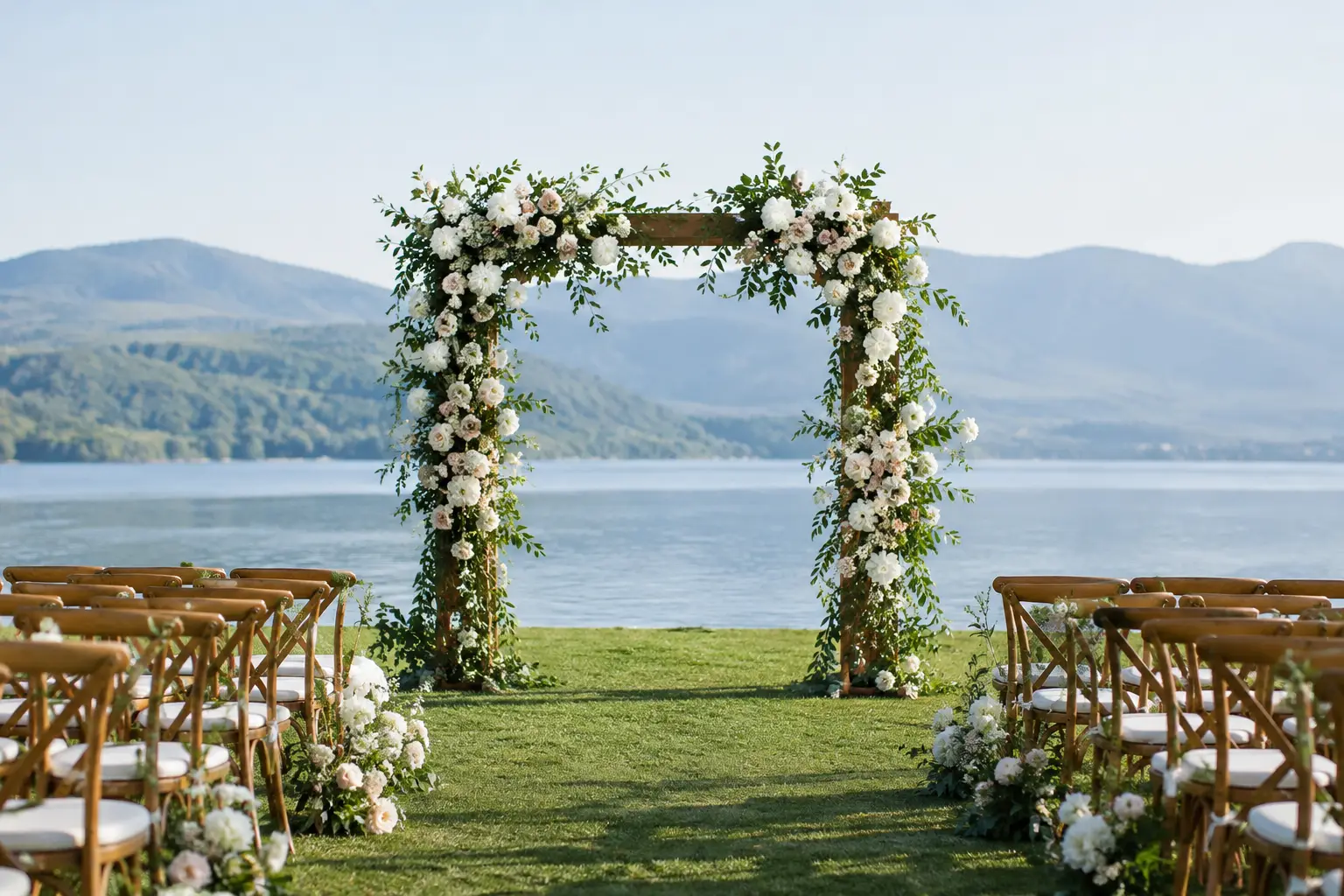
The moment you step into your ceremony space, the eye needs somewhere to land. Wedding arches do that work beautifully: they frame the couple, define the aisle’s destination, and give every ceremony photo a sense of intention. The right arch can make a backyard feel elevated, bring structure to an open desert venue, or soften a formal ballroom without competing with the rest of the celebration.
Choosing one is not simply a matter of picking the prettiest shape. It is a decision about venue, guest sightlines, weather, florals, setup timing, and the overall scale of your day. A ceremony backdrop should feel special from the first row through the last, while still leaving room for the people and moments that matter most.
Start With the Ceremony Space
Before choosing a style, stand where your guests will sit and look toward the ceremony location. Notice what is already behind you. A mountain view, mature trees, architectural wall, garden, or wide Arizona sky may need only a light frame. A parking area, blank wall, busy landscape, or open lawn may benefit from a fuller structure that creates a clear focal point.
Scale is where many otherwise beautiful designs fall short. A small arch can disappear in a large outdoor venue, particularly when photographed from a distance. An oversized installation in a compact patio or indoor room can make the ceremony feel crowded. The goal is proportion: substantial enough to be seen by guests and cameras, but not so dominant that it swallows the couple.
Think about aisle width and traffic flow, too. Your arch should not block the processional, interfere with chairs, or create a tight exit once the ceremony ends. If the structure will remain in place for cocktail hour or be moved behind a sweetheart table, confirm that plan early. Moving a floral installation after guests arrive can require extra hands, additional time, and a design that is built for transport.
Choose a Wedding Arch Shape With Purpose
The shape of an arch quietly sets the tone before a single flower is added. A classic curved arch feels romantic and traditional, while a rectangular or square frame offers clean, modern lines. Circular arches create a striking focal point and photograph well, especially with asymmetrical florals. Triangle and geometric structures can suit desert, bohemian, and contemporary celebrations.
For a softer, organic look, consider an asymmetrical design. Florals and greenery can climb one side, sweep across the top, or cluster near the base while leaving parts of the frame visible. This approach often feels more natural than covering every inch with blooms, and it can help direct attention toward the couple rather than the structure itself.
A pair of pillars or freestanding floral arrangements can also serve the same visual purpose as an arch. This can be a smart choice when you want an open view behind the ceremony, need flexibility with a difficult installation site, or prefer to repurpose the pieces at the reception. There is no rule that says a ceremony frame has to connect at the top.
Match Materials to Your Style and Setting
The frame is the foundation. Wood adds warmth and works naturally with garden, ranch, rustic, and desert-inspired weddings. Metal can feel refined, minimal, or dramatic depending on the finish and shape. Acrylic and clear structures can create a contemporary look without obstructing a scenic view. Fabric-draped frames bring movement and softness, particularly in indoor spaces or protected outdoor settings.
Florals should support the design rather than overwhelm it. Fresh flowers provide texture, fragrance, and a tailored color story, but they require careful timing and may be more vulnerable to heat and wind. High-quality silk florals can offer consistency, stay photo-ready throughout the day, and allow more flexibility in advance. Mixed greenery, dried palms, grasses, or preserved elements can be especially fitting for a Southwest palette.
If your ceremony is outdoors in Chandler, Mesa, Gilbert, Scottsdale, or another Phoenix-area location, plan for the conditions rather than hoping they cooperate. Heat can affect delicate flowers, direct sun can change how colors photograph, and wind can tug at loose fabric or lightweight décor. Secure bases, weighted structures, and materials selected for the season matter more than elaborate details that may not hold up through the ceremony.
Keep the Color Story Focused
An arch is a natural place to introduce your wedding colors, but it does not need to carry every color used throughout the day. Two or three primary tones, supported by greenery or neutral materials, usually look more polished than a wide mix of competing shades.
For example, a warm desert celebration may pair terracotta, muted peach, sand, and olive green. A formal evening wedding may lean into white blooms, deep greenery, and black or gold framing. A spring garden ceremony can use layered pastels while still keeping the frame itself neutral. What matters is repetition: the same colors should appear in bouquets, table linens, signage, or reception details so the ceremony does not feel disconnected from the rest of the event.
Consider contrast as well. White flowers against a white wall can disappear in photographs, while dark foliage against a shadowed background may lose its detail after sunset. Your florist or designer can help you choose shades that read clearly in the actual light at your ceremony time.
Plan for Comfort, Safety, and Photography
A wedding arch should never become a safety concern. Any freestanding structure needs a stable base, especially outdoors. Avoid placing tall arrangements where strong wind can catch them, and make sure cords, sandbags, or hardware are concealed without becoming trip hazards. If you are working with a venue, ask about installation rules, permitted attachment methods, delivery windows, and whether décor must be removed immediately after the ceremony.
Photography is another practical consideration. Position the ceremony so the couple is not squinting directly into the sun if possible. Backlighting can be beautiful near sunset, but it requires an experienced photographer and may make guests uncomfortable during a longer ceremony. A partial shade solution may be worthwhile for summer events, particularly for grandparents, children, and anyone seated in direct afternoon light.
Leave enough open space inside the frame. The couple should be able to stand comfortably, turn toward the officiant, exchange vows, and kiss without brushing against flowers or fabric. If you plan to include a small table for unity rituals, music equipment, or a microphone stand, account for that in the layout before installation begins.
Make One Design Do More Than One Job
Ceremony décor can be one of the best opportunities to stretch your budget thoughtfully. Instead of treating the arch as a one-time backdrop, plan where its elements can go next. Ground arrangements can move to the head table, entryway, cake display, or lounge area. Floral pillars may frame the reception entrance. A simple frame can remain in place for guest portraits if your venue layout allows it.
Repurposing works best when it is planned from the beginning. Some installations are too heavy, too delicate, or too tightly secured to move safely during cocktail hour. Ask your florist, planner, or setup team which pieces can travel and who will handle the transition. The answer may influence whether you choose a full floral arch, modular arrangements, or a more minimal frame with movable accents.
Your rentals should support the ceremony setting as a whole. Coordinated chairs, aisle markers, linens for welcome tables, and properly placed shade or climate-control equipment can make the arch feel like part of a complete experience rather than a standalone photo prop. Royalty Rentals can help local couples organize the practical pieces around their ceremony so the space feels polished and guests stay comfortable.
Give Setup Enough Time
A beautiful ceremony backdrop is rarely a last-minute task. Build setup time into your venue schedule, especially when florals, draping, rentals, or outdoor anchoring are involved. Your team needs access before guests arrive, room to unload safely, and time to make small adjustments after seeing the structure in the actual space.
It also helps to designate one person who can answer final questions on the wedding day. They do not need to make creative decisions from scratch, but they should know the planned placement, who is authorized to approve changes, and whether the arch will be moved after the ceremony. A clear plan keeps your wedding party from being pulled into logistics when they should be getting ready and enjoying the occasion.
The best wedding arch is not necessarily the largest or most flower-filled one. It is the backdrop that fits your setting, stays secure, photographs beautifully, and lets you focus on the person waiting for you at the end of the aisle.