
Event Tips
Tent Fans vs Portable Coolers: Which Fits?
A shaded tent can still feel like an oven at a Phoenix-area celebration when the afternoon heat settles in. Choosing between tent fans vs portable coolers is not simply a matter of picking the larger machine. The right choice depends on your guest count, tent layout, access to power, expected humidity, and whether you need to cool a whole gathering or make a few key areas more comfortable.
For many outdoor events, fans are the practical foundation. Portable evaporative coolers can add meaningful relief in dry conditions, but they require more planning and are not the best answer for every tent. Here is how to choose cooling equipment that helps guests stay comfortable from arrival through the final toast.
Tent Fans vs Portable Coolers: The Core Difference
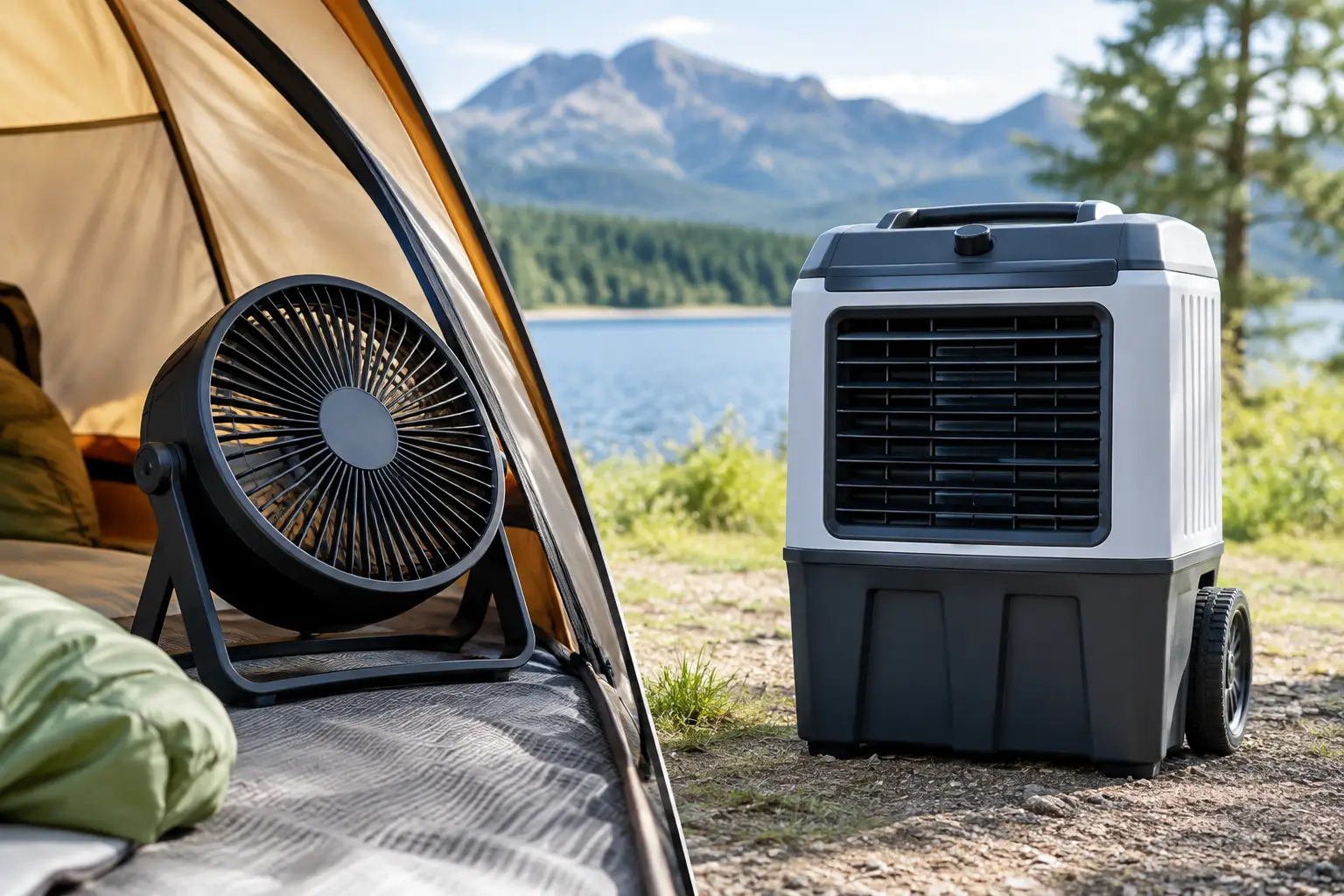
Tent fans move air. They do not reduce the air temperature, but they help perspiration evaporate from the skin, making people feel cooler. A well-positioned fan can also prevent hot, stale air from collecting under a tent canopy. For dining tents, ceremony seating, buffet lines, and backyard celebrations, this steady air movement often makes the biggest difference in guest comfort.
Portable coolers, often called evaporative coolers or swamp coolers, use water and airflow to lower the temperature of the air they blow out. They can deliver noticeably cooler air than a fan when the climate is dry. That makes them a valuable option for certain Arizona events, especially when guests will remain in one area for an extended time.
The trade-off is that a portable cooler does not cool every corner of a large tent like central air conditioning. It creates a cooler zone in front of the unit. It also needs water, power, clearance for airflow, and regular attention during longer events. Think of it as targeted cooling rather than a complete climate-control solution.
When Tent Fans Are the Better Choice
Fans are usually the most flexible option for open-sided tents and gatherings where guests will be moving between seating, food, drinks, activities, and conversation areas. They are especially useful when your goal is to improve comfort across the entire footprint instead of cooling one designated spot.
Open tents need air movement
A tent with open sides benefits from fans because hot air naturally enters from outside. Trying to cool that open space with a portable cooler can be inefficient, particularly in direct afternoon sun. Fans keep air circulating throughout the tent, helping the shaded space feel less stagnant.
For a casual birthday party, graduation, family reunion, or company picnic, several properly spaced fans generally serve guests better than one cooler placed at the edge of the tent. Placement matters as much as quantity. Aim airflow across guest areas, not directly into table settings, lightweight linens, candles, or food displays.
Fans work well around dining and dancing
Dining guests appreciate a gentle, consistent breeze, especially during a meal when they are seated for longer periods. Fans are also a strong choice near a dance floor, where body heat builds quickly. The key is selecting equipment suited to the tent size and arranging it so cords and stands do not interfere with guest traffic.
For weddings and more polished events, plan fan locations before tables, linens, florals, and catering stations are installed. This protects the visual presentation while ensuring airflow reaches the people who need it.
Fans are simpler to operate
Tent fans generally require less ongoing management. Once they are safely positioned and connected to appropriate power, they can run for the event with minimal attention. There is no water reservoir to fill, no added moisture in the air, and no need to plan around drainage.
That simplicity is valuable for hosts who already have plenty to manage. If you are coordinating vendors, serving food, welcoming guests, and keeping an event on schedule, reliable airflow is often the easiest comfort upgrade to arrange.
When Portable Coolers Earn Their Place
A portable evaporative cooler can be an excellent addition when you have a defined guest zone and hot, dry weather. In the right setting, the air coming from the cooler can feel substantially more refreshing than air moved by a standard fan.
Dry heat is the ideal condition
Evaporative cooling performs best when the air is dry. That is why portable coolers can be particularly effective during many Arizona spring, early summer, and fall events. The cooler adds moisture to the air as it lowers the temperature of its output, so it has less cooling effect when outdoor humidity rises.
During monsoon conditions, when humidity is higher, a cooler may not deliver the same level of relief. A fan may be the more dependable choice for an open tent on a humid day. For enclosed tents or spaces that need predictable temperature control regardless of weather, discuss more complete HVAC options early in the planning process.
Use coolers for priority zones
Portable coolers are most effective when aimed at a specific area where people will linger. Good examples include a lounge seating area, a head table, a registration table, a covered bar, a vendor work zone, or a ceremony waiting area.
They are less effective when placed randomly in a large tent and expected to cool every guest. Give the unit a clear path to deliver cooled air, and do not block it with furniture, drape, catering equipment, or dense decorative displays.
Plan for water and power
Before reserving a portable cooler, confirm where it will sit and how it will be powered. The unit needs access to a suitable electrical source and enough capacity for its operating time. Depending on the model and duration of the event, it may also need water added during service.
Keep cords secured and out of walkways. Do not place electrical connections where they could be exposed to water. If your event is in a park, backyard, venue lawn, or remote location, determine power access before finalizing your cooling plan rather than trying to solve it on event day.
How Many Units Do You Need?
There is no honest one-size-fits-all answer because tent dimensions are only part of the equation. A 20-by-20-foot tent with 30 seated guests has very different needs than the same tent used as a crowded dance floor in late afternoon. Sun exposure, tent sidewalls, guest activity, table placement, and the length of the event all affect the equipment plan.
Start by identifying the areas where comfort matters most. For a meal, prioritize guest tables and buffet traffic. For a wedding, consider the ceremony seating, cocktail hour lounge, head table, and dance floor separately. For a corporate event, registration and presentation areas may deserve priority because guests are expected to stand or concentrate there.
As a practical approach, use fans to create general circulation throughout the tent, then add portable coolers where targeted relief will have the greatest impact. This combination is often more effective than relying entirely on either option alone.
Placement Details That Protect Guest Comfort
Cooling equipment should support the event, not become another obstacle. Keep fans and coolers clear of entrances, emergency paths, food service routes, and areas where children may be playing. If equipment is near a bar or beverage station, allow enough room for staff and guests to move safely.
Avoid blasting airflow directly at place settings, paper napkins, lightweight centerpieces, or a cake table. A strong breeze can create a messy table before guests ever arrive. For ceremony setups, position fans to circulate air near seating without interfering with the officiant, microphone setup, or décor.
Tent sidewalls also change the plan. Closing sidewalls can provide shade and define the event space, but it may reduce natural airflow. If sidewalls will be used, factor in additional fans or targeted cooling. If the weather allows an open-sided setup, orienting the tent to take advantage of prevailing breezes can help your equipment work harder.
Build Cooling Into the Event Plan Early
The best time to choose cooling is when you are selecting the tent, tables, seating, and event layout. Waiting until the forecast shows triple-digit temperatures can limit options and force awkward equipment placement. A quick planning conversation can identify power needs, appropriate equipment quantities, and the best locations before delivery and setup.
Royalty Rentals can help Phoenix metro hosts coordinate cooling equipment alongside the tent, furniture, linens, and setup details, so the final layout feels organized rather than improvised. Equipment that arrives clean, on time, and positioned according to plan gives you more time to focus on your guests.
For most outdoor celebrations, begin with steady airflow throughout the tent and add portable cooling where guests will spend the most time. That thoughtful approach creates a more comfortable atmosphere without asking one piece of equipment to do a job it was never designed to handle.