
Event Tips
Scottsdale Outdoor Event Cooling That Works
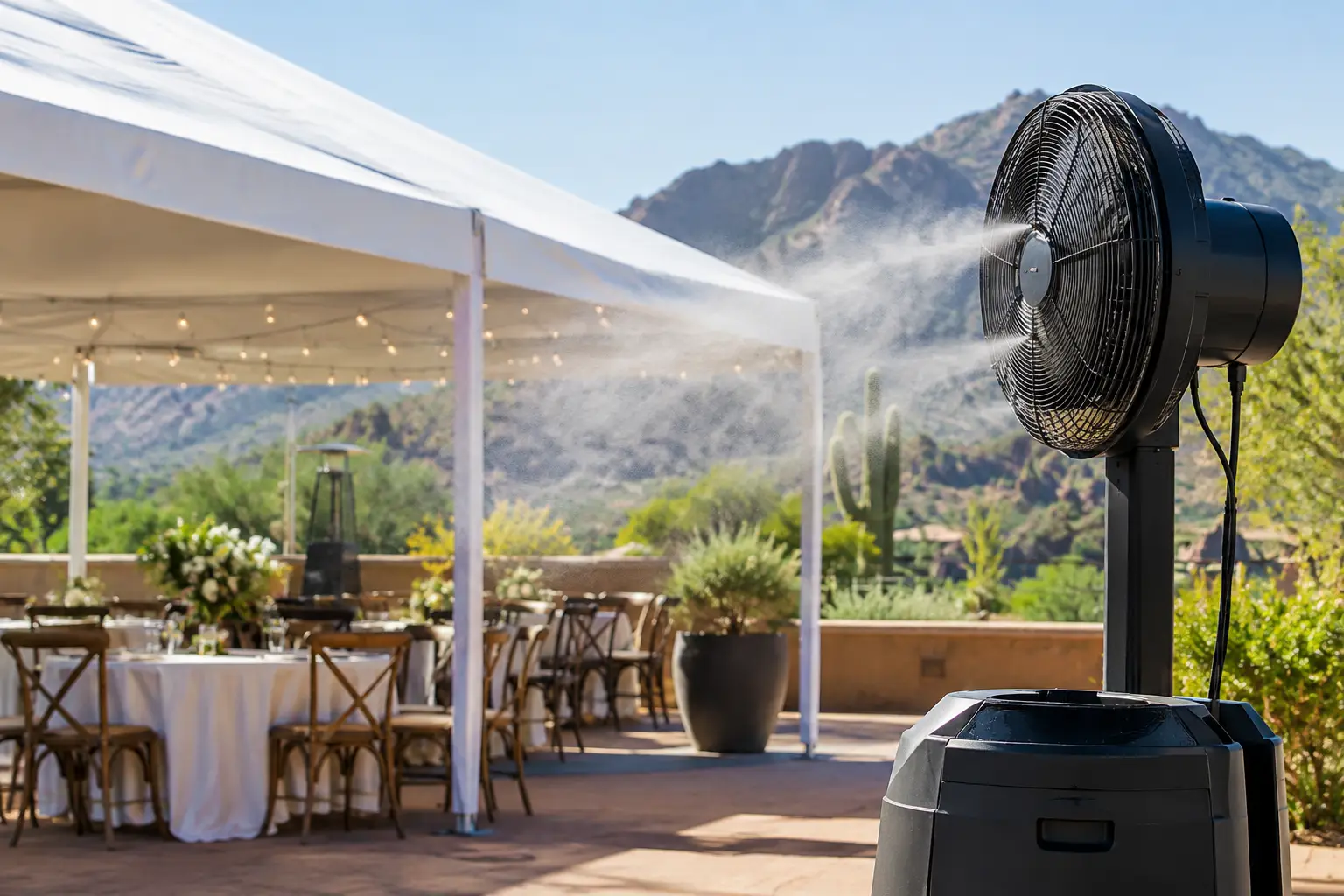
A Scottsdale patio can feel perfect at 10 a.m. and punishing by midafternoon. Effective Scottsdale outdoor event cooling is not about adding one fan near the food table. It is a plan for shade, airflow, guest comfort, power, and the changing heat of the day. When those details work together, guests can focus on the celebration instead of searching for the nearest air-conditioned room.
Start With the Conditions, Not the Equipment
The right cooling plan depends on the event date, start time, guest count, venue layout, and level of sun exposure. A 40-person backyard brunch needs a different approach than a 200-person corporate reception on a paved courtyard. Hard surfaces such as concrete, stone, and artificial turf can hold heat well into the evening, while a grassy area may be more comfortable but can complicate equipment placement.
Start by walking the site at the same time your event will take place whenever possible. Notice where the sun lands, which areas receive natural breezes, and where guests will naturally gather. Entry lines, bars, buffet tables, ceremony seating, dance floors, and lounge areas often become heat hot spots because people stand close together.
Timing matters just as much. An early-morning event may need shade and circulation more than heavy-duty cooling. A late-afternoon wedding or company celebration may need a more deliberate setup, especially in Scottsdale’s warmer months. Even after sunset, a tented space can stay warm if it has absorbed heat all day and has limited airflow.
Build Scottsdale Outdoor Event Cooling in Layers
The most comfortable outdoor events use several practical measures rather than relying on a single piece of equipment. Shade reduces direct solar heat. Air movement helps guests feel cooler. Targeted mechanical cooling supports enclosed or high-traffic areas. These layers also give hosts a backup plan if one portion of the venue becomes warmer than expected.
Create useful shade first
A tent, canopy, or covered patio can make the biggest immediate difference, but only if it is positioned thoughtfully. The goal is to protect the spaces guests will use most, not simply to cover the largest open area. Prioritize dining tables, ceremony chairs, check-in stations, beverage service, and any area where guests will be seated for an extended period.
Tent sidewalls can be useful when wind, dust, or evening temperatures are a concern, but they are not always the best choice during hot conditions. Closing a tent too tightly can trap heat. Consider leaving appropriate sides open for circulation, or use a cooling solution designed for a more enclosed environment. The best choice depends on the weather forecast and the tent configuration.
Use fans to move air where people are
Fans are particularly effective in shaded, open-air settings. They do not lower the ambient temperature, but steady airflow can make a meaningful difference in how comfortable guests feel. Position fans to create circulation across seating, lounges, buffet lines, and dance areas instead of aiming every unit in one direction.
Equipment placement should be intentional. A fan placed behind a decorative hedge, tall centerpiece, or food service station will not help the people standing nearby. It should also be secured and located where cords, bases, and airflow will not interfere with guest traffic. For formal events, the setup can be planned around tables, draping, and furniture so comfort does not come at the expense of presentation.
Match cooling equipment to the space
Mechanical cooling options have different strengths. Portable air conditioning is generally best for enclosed or mostly enclosed tents, temporary structures, green rooms, dressing areas, and indoor-outdoor spaces where cool air can be retained. It requires adequate electrical capacity and a thoughtful plan for venting and placement.
Evaporative cooling can be a strong option for dry Arizona conditions in open or partially open areas. It works by adding moisture to the air, which can improve comfort when humidity is low. However, it is not a one-size-fits-all answer. Its effect can be reduced during humid monsoon conditions, and it may not be the best fit near delicate décor, paper goods, or areas where added moisture is undesirable.
Fans remain a practical choice for many gatherings because they support airflow without trying to cool an entire open sky. Often, the most sensible solution is a combination: shaded dining, fans for broad circulation, and a portable cooled space for vendors, elderly guests, wedding parties, or anyone who needs a brief break from the heat.
Plan for Power Before Delivery Day
Cooling equipment is only as reliable as the power supporting it. Before reserving equipment, confirm what electrical service is available at the venue, how far outlets are from the planned setup, and what else will be operating at the same time. Caterers, DJs, lighting, photo booths, beverage equipment, and cooling units can place a substantial demand on available circuits.
Avoid treating power as a last-minute detail. Overloaded circuits can interrupt entertainment, food service, or cooling during the part of the event when guests need it most. A site consultation can help identify whether existing power is sufficient or whether a generator and properly planned distribution are needed.
Cord management matters, too. Cords should be routed safely, protected where they cross walkways, and kept away from beverage stations or areas where water may collect. A clean setup supports both safety and the polished look guests expect.
Cool the Places Guests Notice Most
You do not always need to cool every square foot equally. Focus your investment where comfort changes the guest experience. A shaded ceremony with airflow can keep attendees attentive. A cooled bridal suite helps a wedding party stay composed before photos. Fans around a buffet line can prevent a crowded, stagnant feeling while guests wait for food.
For corporate events, check-in and networking zones deserve special attention. Guests arriving from a hot parking area will appreciate a comfortable first stop, cold water, and a place to settle in. At private parties, create a retreat area with seating, shade, and strong circulation for grandparents, young children, and anyone who may need to step away from the activity.
Food and beverage service also benefit from a heat-aware layout. Keep cold drinks accessible and well stocked. Place desserts, chocolate, buttercream, and temperature-sensitive items away from direct sun. Coordinate with caterers on food holding requirements rather than assuming shade alone will solve the issue.
Do Not Forget Comfort Beyond Temperature
A well-run warm-weather event anticipates the small things that can become big frustrations. Provide easy access to water, use seating that allows guests to rest, and avoid scheduling the longest formal moments during the most intense heat when possible. If the program requires an afternoon ceremony, keep it concise and move guests to a cooler reception setting promptly.
Choose linens and furnishings with the setting in mind. Dark materials can absorb heat, while lighter colors often feel more appropriate for sunny daytime setups. Table placement should leave clear paths for airflow and service. A crowded layout may maximize seating on paper, but it can make a warm event feel even warmer.
There is also a guest communication component. If the gathering is outdoors, let attendees know in advance so they can dress appropriately. For weddings, this information can be included with event details. For corporate functions, a short note about outdoor portions of the program helps guests arrive prepared.
Work With a Rental Partner Early
Cooling decisions affect tent size, floor plan, electrical needs, furniture placement, and delivery access. Reserving equipment early gives you more flexibility to build a coordinated setup instead of trying to solve discomfort after invitations are out and the layout is fixed.
Royalty Rentals can help hosts throughout the Phoenix metro area coordinate event essentials alongside HVAC rentals, tables, chairs, linens, and setup support. Having one local team consider how these pieces fit together can reduce day-of surprises, particularly for weddings, business events, and larger celebrations with multiple vendors.
Share the venue address, event hours, estimated guest count, tent details, and any available power information when requesting a quote. If the site has narrow gates, stairs, uneven ground, limited parking, or delivery restrictions, mention those details early. The more complete the plan, the easier it is to place equipment safely and effectively before guests arrive.
A comfortable outdoor event does not require controlling Arizona weather. It requires respecting it. Plan shade before the sun moves, place airflow where guests gather, reserve cooling that fits the space, and give everyone a welcoming place to cool down when they need it.