

Event Tips
Patio Heater Rental Review for Outdoor Events
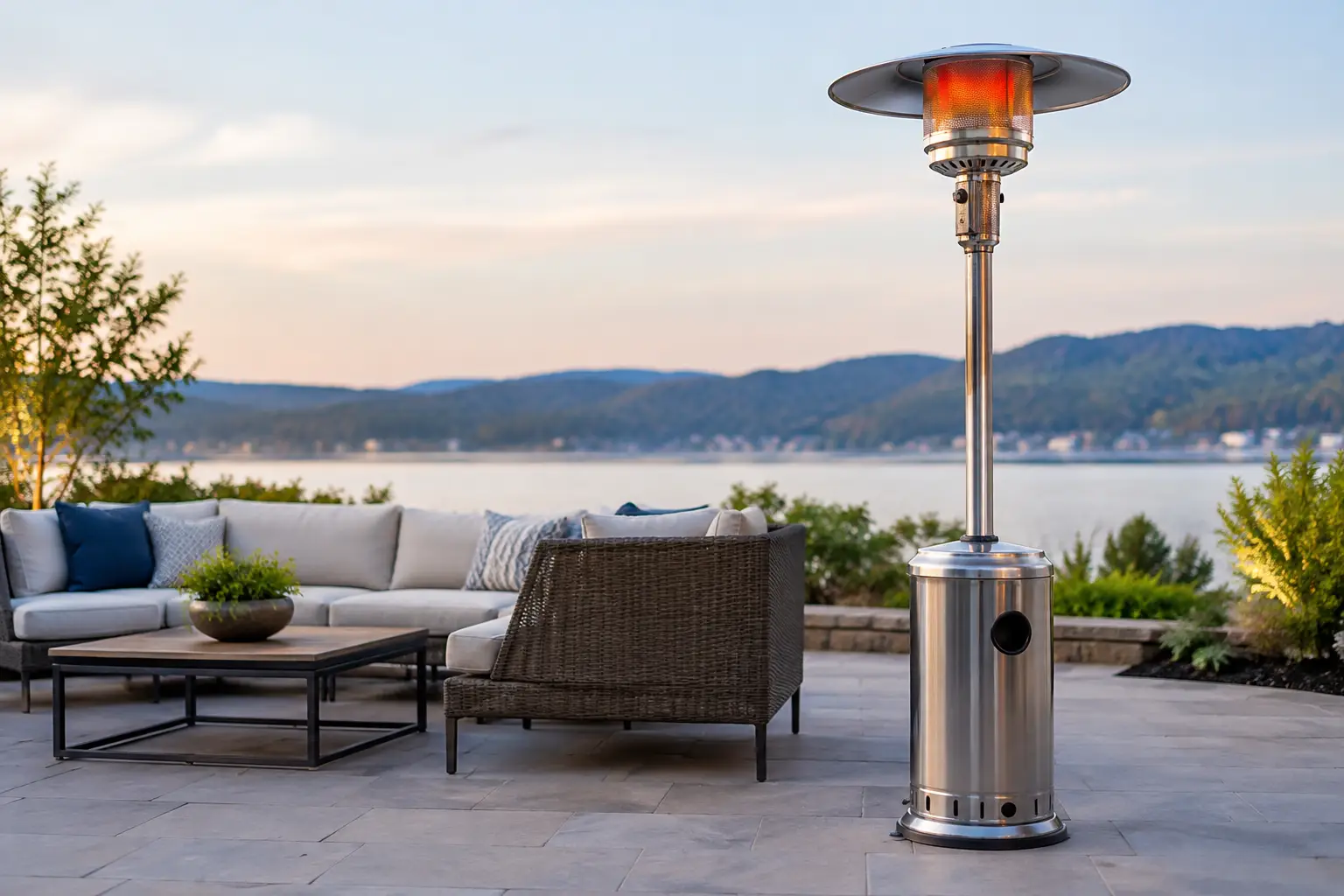
A patio heater can be the difference between guests lingering over dessert and leaving as soon as the sun goes down. This patio heater rental review focuses on the details that matter when you are planning an outdoor wedding, company gathering, backyard celebration, or evening dinner in the Phoenix area: heat coverage, placement, fuel, delivery, and safe operation.
Outdoor events in Arizona can still turn cool after sunset, especially during fall, winter, and early spring. A beautiful patio, lawn, or open-air venue needs more than attractive tables and lighting to feel welcoming. It needs a comfort plan that works for the actual guest count and layout.
What a Patio Heater Rental Should Include
A quality rental should begin with clean, well-maintained equipment that is ready to use at your event. Ask whether the heater is inspected between rentals, whether the propane tank is included, and whether the rental period allows enough time for delivery before guests arrive and pickup after the event ends.
Delivery matters as much as the heater itself. A heater is tall, heavy, and not ideal to transport in a personal vehicle. Professional delivery helps protect your vehicle, saves setup time, and makes it easier to position equipment where it will serve guests best. For larger events, on-site setup can remove another task from an already full planning list.
At Royalty Rentals, event equipment is cleaned and sanitized after every use and delivered before the event date. That approach is especially useful when heaters are part of a larger order that includes tables, chairs, linens, or catering equipment. One coordinated delivery creates a much easier event day.
Patio Heater Rental Review: The Questions That Matter
The best rental decision is not simply choosing the highest-output heater available. It is choosing enough appropriate heat for the space, while preserving safe walkways and the look of the event.
How much area does one heater cover?
Most freestanding propane patio heaters provide warmth in a radius around the unit, rather than heating an entire yard evenly. Wind, ceiling height, open sides, and outdoor temperatures all affect performance. A heater that feels excellent beside a cocktail table may have little effect several feet away in an exposed lawn area.
Instead of asking only, “How many heaters do I need?” consider where people will actually spend time. Dining tables, lounge seating, bar lines, ceremony seating, and outdoor buffet areas may all need different coverage. For a small patio, one or two strategically placed heaters may be sufficient. A wedding reception or corporate mixer with guests spread across a broad outdoor footprint may need several units.
It is usually better to create comfortable gathering zones than to attempt to heat every corner of an open property. This approach uses equipment efficiently and gives the layout a more intentional feel.
Will the event space be protected from wind?
Wind is the quiet variable that can change a heater plan. On a calm enclosed patio, radiant heat can feel substantial. In a wide-open backyard, rooftop, or desert-facing venue, the same heater may need to work much harder.
If your venue has partial walls, landscaping, temporary sidewalls approved for the setup, or a building that blocks prevailing wind, use those protected areas for seating whenever possible. Do not place heaters where wind can push heat away from guests or create a concern around decor, linens, or nearby structures.
For events with an open-air tent, verify the tent manufacturer’s rules and the venue’s requirements before reserving heaters. Patio heaters require proper clearance and ventilation. They are not a substitute for an indoor-rated heating system, and they should never be operated inside an enclosed tent, garage, home, or other confined space.
Is propane included, and how long will it last?
A standard patio heater commonly uses propane, but fuel arrangements differ by rental provider. Confirm whether a propane tank is included, whether it arrives full, and whether additional fuel is recommended for a long event. This is particularly relevant for receptions that begin before sunset and continue late into the evening.
Runtime depends on the heater’s setting and the tank capacity. Running at maximum heat gives guests more warmth but uses fuel faster. Your rental team can help estimate a practical fuel plan based on the number of heaters, anticipated event hours, and expected conditions.
Avoid assuming that one tank will cover every situation. A four-hour dinner on a mild evening is very different from an eight-hour outdoor celebration during a cold, breezy night.
Placement Is Part of Guest Comfort
A patio heater should support the event layout, not compete with it. Freestanding models need level, stable ground and clear space around the base and heat source. They should not block entrances, aisles, dance floors, food-service paths, or emergency access.
Think about the guest experience from arrival through departure. A heater near the welcome area can make an immediate difference at a cool evening event. A few well-placed units near dining and lounge areas often deliver more value than putting all heaters along the perimeter. Keep enough distance from chairs that guests can sit comfortably without crowding the equipment.
Decor deserves attention as well. Flowing linens, balloons, draping, greenery, umbrellas, and signage can all create hazards if placed too close to a heat source. Follow the equipment instructions and required clearances at all times. If you are working with a planner, venue coordinator, or catering team, make sure everyone knows where the heaters will be located before setup begins.
Safety Should Never Be an Afterthought
Patio heaters are practical event equipment, but they use an open flame and need responsible handling. Assign one informed adult, venue representative, or event captain to check that each unit remains upright, clear of decor, and positioned as planned throughout the event.
Guests should not move heaters, lean personal items against them, or use them as a place to set drinks. Children should be supervised around all heating equipment. If conditions become unusually windy, follow the rental provider’s and venue’s guidance rather than trying to make an unsafe setup work.
A professional rental company should be able to explain operating expectations clearly. Ask about lighting procedures, shutoff procedures, outdoor-use requirements, and who to call if you have a question. Clear instructions are not an extra service. They are part of a dependable rental experience.
When Patio Heater Rentals Make the Most Sense
Renting is often the practical choice for hosts who only need heaters for one event or a limited season. You avoid purchasing bulky equipment, transporting propane-powered units, finding storage space, and maintaining equipment that may sit unused for much of the year.
Rentals are especially helpful when your guest count changes the scale of the event. A homeowner may own one small heater, but a graduation party, rehearsal dinner, or company holiday gathering may require several coordinated units. Renting lets you match the equipment to the occasion rather than asking a small personal setup to do more than it can safely handle.
It also gives you flexibility if the weather forecast changes. For an event in Chandler, Mesa, Gilbert, Tempe, Scottsdale, or Queen Creek, reserve early for popular cool-weather dates, then speak with the rental team about the right quantity and configuration for the final layout.
A Better Way to Plan Your Heater Order
Before requesting a quote, have a few details ready: your event date, guest count, venue address, outdoor areas being used, event start and end times, and whether the space is covered, tented, or open to wind. Photos or a simple layout can be valuable when deciding where heaters can safely stand.
Be honest about the goal. Are you trying to take the chill off a patio dinner, keep a cocktail hour comfortable, or provide warmth across a large outdoor reception? Those are different needs, and they may call for different quantities and placement plans.
A thoughtful patio heater rental is not about making an outdoor space feel like a living room. It is about giving guests enough warmth to relax, connect, and enjoy the celebration you worked hard to create. Reserve early, share your layout, and let the equipment plan support the evening rather than become one more thing to manage.