
Event Tips
Outdoor Event Heaters for Comfortable Guests
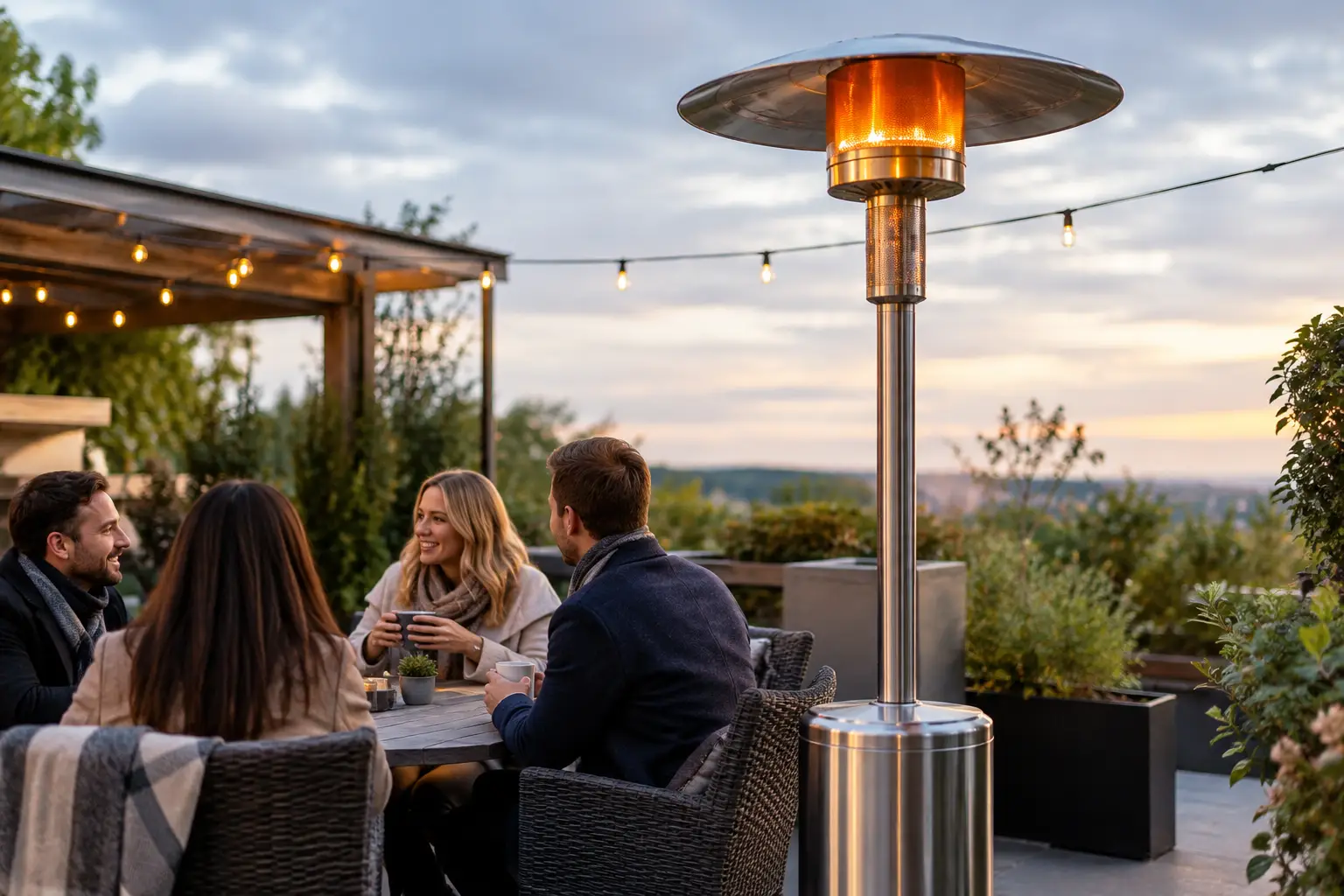
A beautiful patio can feel surprisingly cold once the sun drops behind the mountains. Outdoor event heaters help guests stay comfortable through dinner, speeches, dancing, and conversation, so an evening celebration feels welcoming rather than rushed. For Phoenix-area events, heating is often less about preparing for extreme winter weather and more about protecting the experience during those cool fall, winter, and early spring nights.
The right heater plan does more than raise the temperature. It supports the flow of the event, keeps seating areas usable, and helps guests linger long enough to enjoy the atmosphere you worked hard to create. The key is choosing equipment that suits the venue, guest count, layout, and safety requirements rather than adding a few heaters at the last minute.
Start With the Guest Experience
Before choosing a heater style or quantity, identify where people will spend time after dark. A patio dinner with assigned seating needs a different approach than a backyard birthday party where guests move between the food table, lounge seating, and outdoor games. Heat should reach the areas where guests will be sitting or gathering, not simply fill open space.
Think about the event schedule, too. If a ceremony begins near sunset and the reception continues for several hours, temperatures may change substantially between arrival and the final dance. A daytime corporate gathering may only need heaters for an early-morning setup or a late-afternoon networking period. Planning around the coldest portion of the event prevents a comfortable start from becoming an uncomfortable finish.
Guest attire matters. Wedding guests in formal eveningwear, older family members, and young children tend to feel the cold sooner than guests in jackets and casual layers. If your event depends on guests staying outdoors for a seated meal or program, build warmth into the plan rather than assuming everyone will move indoors when needed.
Choose the Right Type of Outdoor Event Heater
There is no single best option for every event. The most effective choice depends on ventilation, ceiling clearance, power access, wind exposure, venue rules, and the amount of space that needs warmth.
Propane patio heaters
Freestanding propane patio heaters are a familiar choice for open patios, courtyards, and tented areas with appropriate clearance and ventilation. They provide focused radiant heat and can be positioned near guest seating, cocktail tables, or lounge areas. Their mobility makes them useful when the final layout is still taking shape.
They do require thoughtful placement. A heater positioned too far from guests may have little effect, while one placed too close to a dining table can make one side of the table uncomfortably warm. Propane units also need stable, level ground and clear space around them. They should never be treated as a substitute for indoor heating or used in enclosed, unventilated spaces.
Electric infrared heaters
Electric infrared heaters can be a practical fit for covered patios, partially enclosed spaces, and venues that prefer not to use open-flame equipment. They warm people and nearby surfaces directly instead of trying to heat all of the surrounding air. This can be particularly helpful in breezy locations where warm air disperses quickly.
The trade-off is power planning. Your venue must have adequate electrical capacity, safe outlet access, and a plan that keeps cords away from walkways. Extension cords, overloaded circuits, and improvised connections can create avoidable hazards. Confirm electrical needs before the event layout is finalized.
Tent and enclosed-area heating
Tents can make an outdoor event feel polished and protected, but they also change the heating conversation. A tent needs equipment selected specifically for that environment, along with proper ventilation, ducting when required, and safe clearance from tent fabric, sidewalls, decor, and guest traffic. A standard patio heater is not automatically appropriate inside every tent.
If you are hosting a wedding, company dinner, or large private celebration under a tent, involve your rental team and venue early. The safest and most comfortable plan is usually one designed around the tent size, sidewall configuration, guest count, and expected overnight temperature.
Placement Matters More Than Most Hosts Expect
A heater can be in excellent condition and still underperform if it is placed without considering airflow and guest movement. Start by mapping the main zones: dining, ceremony seating, bar service, lounge seating, buffet lines, check-in, and any outdoor waiting areas. Then prioritize the zones where guests will remain still. Standing guests can move around to stay comfortable. Seated dinner guests cannot.
Wind is the biggest variable for many Arizona patios and backyards. An open yard may need more targeted heat than a courtyard with walls or landscaping that block the breeze. In windy conditions, concentrate heaters closer to sheltered seating areas instead of spreading them evenly across the property. The goal is useful warmth where people gather, not an unrealistic attempt to heat every corner of an open lawn.
Keep heaters out of narrow pathways, beside exits, and near areas where children may be running or guests may be carrying drinks. Maintain the manufacturer-recommended clearance from umbrellas, trees, linens, floral installations, tent materials, and overhead structures. A clean event layout should make safety feel natural, not force guests to navigate around equipment.
Plan for Safety Before Delivery Day
Outdoor heating equipment deserves the same level of planning as catering equipment, tables, and lighting. Ask the venue whether it permits propane or electric heaters, whether there are designated placement zones, and whether fire extinguishers or an attendant are required. Some communities, homeowners associations, and venues have additional requirements, especially for larger events or tented setups.
A reliable plan should address these four details:
- Who will position, operate, and monitor the heaters during the event.
- Where fuel, electrical connections, and cords will be located.
- How much clearance each unit needs from guests, furnishings, and decor.
- What the backup plan is if wind, rain, or a temperature drop changes conditions.
Do not wait until guests arrive to test the setup. Turn equipment on according to instructions before the event begins, confirm that heating zones are working as expected, and make sure the event team knows whom to contact if a unit needs attention. If heaters are rented, ask about delivery timing, setup options, and whether the equipment will arrive ready for safe use.
Match the Heater Plan to Your Event Layout
For an intimate backyard dinner, a few carefully placed heaters near the dining table and conversation area may be enough. More units are not always better. Too many heaters in a small space can create uneven temperatures and interfere with the look of the event.
For a larger wedding reception, divide the plan into functional zones. The dinner area should receive the first priority, followed by lounge seating and any outdoor bar or cocktail space. The dance floor may need less direct heat if guests are active, though adjacent seating for grandparents and other guests taking a break should remain comfortable.
Corporate events often benefit from heating around registration, networking areas, and outdoor dining. If attendees are arriving from an office or traveling in business attire, a warm arrival zone sends a clear message that the event has been thoughtfully organized. For private celebrations, the same attention can turn a chilly patio into the place where guests choose to stay.
Reserve Early for Peak Outdoor Season
Arizona outdoor event season can be busy, especially from fall through spring. Heating equipment, tents, linens, tables, and chairs are often reserved together for weddings, holiday parties, school events, and company gatherings. Reserving early gives you more flexibility to coordinate delivery, placement, setup, and the rest of your event infrastructure as one complete plan.
When discussing rentals, share the venue address, event date, guest count, start and end time, tent details, and a simple layout if you have one. Photos of the patio, backyard, or venue can also help identify clearance concerns and likely heating zones. A consultation is especially useful when your setup includes a tent, a large guest count, or multiple outdoor areas.
Royalty Rentals can help Phoenix-area hosts coordinate dependable event essentials around the details that matter: clean, maintained equipment, delivery before the event date, and optional setup based on your instructions. That support lets you focus on welcoming guests instead of trying to solve climate control after sunset.
A comfortable outdoor event is rarely the result of one last-minute heater. It comes from a thoughtful layout, safe equipment choices, and a plan that gives every guest a warm place to enjoy the occasion.