
Event Tips
How to Stage Buffet Service for Any Event
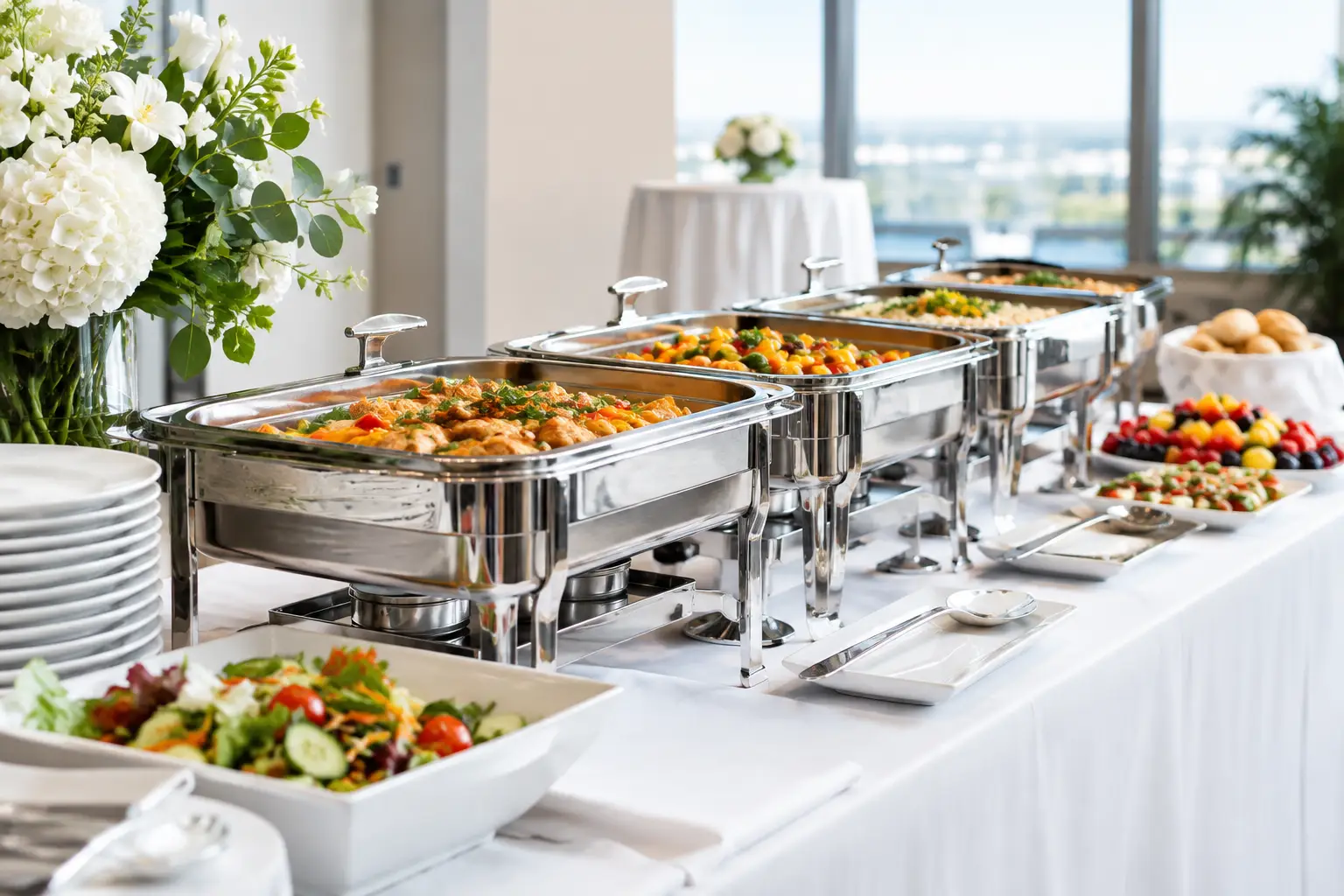
A buffet can look generous and inviting, or it can create a traffic jam before the first guest reaches the entrée. The difference is usually not the menu. It is the setup. Knowing how to stage buffet service means planning the guest path, choosing the right tables and equipment, and giving every dish enough room to be served safely and attractively.
For a backyard celebration in Chandler, a wedding reception in Scottsdale, or an office lunch in Phoenix, the goal is the same: make it easy for guests to serve themselves while keeping the food, tables, and overall atmosphere polished.
Start With Guest Count and Service Style
Before choosing linens or arranging chafing dishes, decide how many people will be eating and how formal the meal should feel. A casual birthday buffet can move quickly with disposable serviceware and a simple two-table layout. A wedding or corporate event may need coordinated linens, serving equipment, beverage stations, and a more deliberate presentation.
As a general planning rule, a single buffet line works well for a smaller gathering, especially when guests are released by table or group. For larger events, consider two identical buffet lines or stations on opposite sides of the space. This reduces wait times and prevents guests from clustering around one table.
The menu affects the layout, too. Foods that require carving, assembling, or special handling need more service space and an attendant when possible. Simple plated proteins, sides, and salads are easier to place in a traditional line. If you are serving tacos, pasta, sliders, or another build-your-own option, create a station with ingredients arranged in the order guests will use them.
How to Stage a Buffet Around Natural Guest Flow
A well-staged buffet has a clear beginning and end. Guests should not have to ask where the line starts, reach across other diners, or backtrack for utensils. Place the buffet away from the main entrance, dance floor, and bar whenever possible. Those are already high-traffic areas.
Begin with plates, then move guests through the main dishes, sides, and sauces. Put cutlery and napkins at the end of the line so guests do not have to balance them while serving food. This also discourages guests from picking up a fork and then touching serving utensils before they are ready to eat.
Beverages should usually be separate from the food buffet. Water, coffee, soft drinks, and bar service create their own lines, so placing them at the end of the buffet can slow everyone down. Dessert also works best as a separate display, especially if it will be served after the main meal.
Leave enough clearance around the tables for two-way traffic. Guests need room to approach the line, stand comfortably while serving themselves, and exit without cutting through those waiting behind them. In a tighter venue or home patio, an L-shaped buffet can use the available footprint efficiently. For larger indoor receptions, a long, straight buffet or two parallel stations may be a better fit.
Choose the Right Table Layout and Height
Most buffet service is staged on 6-foot or 8-foot rectangular tables. A 6-foot table is useful for a compact menu or a single station. An 8-foot table gives you more room for several chafing dishes, serving platters, signs, and decorative elements without crowding the food.
Standard banquet table height is practical for self-service, but presentation matters. Tablecloths should reach close to the floor for weddings and formal occasions, hiding storage items and creating a finished look. For casual parties, a shorter linen can work if the table legs and surrounding setting are clean and intentional.
Avoid overfilling the tabletop. A buffet should feel abundant, not cramped. Leave a little breathing room between dishes, particularly around hot equipment. If you need extra food backup, store it on a separate utility table behind the buffet rather than beneath the display. This keeps the guest-facing area clean and makes replenishment easier.
For a more elevated event, use varying heights carefully. Cake stands, risers, or elevated platters can add dimension to bread, fruit, desserts, or small appetizers. Keep hot chafing dishes and heavier serving pieces on stable, level surfaces. Decorative height should never make serving awkward or block guests from seeing what is available.
Build the Buffet in the Right Order
The order of food should support how people eat, not simply follow the order dishes were prepared. Plates come first. Then place the main protein or entrée, followed by sides, vegetables, breads, condiments, and any finishing items. Label dishes clearly, especially when serving guests with dietary preferences or allergies.
If one item is expected to be especially popular, give it more room. A carving station, popular side dish, or made-to-order component can create a bottleneck if it is squeezed between quick self-serve dishes. Position it at the end of the buffet or create a separate station so guests who do not want that item can continue moving.
Keep sauces, toppings, and garnishes close to the dishes they belong with. A basket of rolls belongs near butter or spreads, while taco toppings should follow the protein and shells. Small details like this reduce reaching, confusion, and spills.
Use Catering Equipment That Supports Food Quality
Presentation gets attention, but food temperature and serving safety should guide your equipment choices. Hot foods should be held in appropriate chafing dishes or warming equipment, while cold foods should remain properly chilled. Coordinate with your caterer on recommended holding temperatures, fuel needs, serving utensils, and replenishment plans.
Each dish needs its own serving utensil. Use tongs for rolls and salads, spoons for sides and sauces, and sturdy serving tools for heavier entrées. Make sure utensil handles rest where guests can reach them without touching the food or laying them directly on the tablecloth.
A dependable buffet setup often includes these four essentials:
- Banquet tables sized for the menu and guest count
- Clean linens that complement the event colors
- Chafing dishes or food pans for hot selections
- Serving utensils, beverage dispensers, and clear food labels
Do not forget the support pieces. A nearby bus tub or discreet clearing area helps keep used plates from accumulating on guest tables. Extra napkins, backup utensils, and trash receptacles should be accessible without becoming part of the visual focal point.
Make It Look Intentional, Not Overdecorated
Your buffet is part of the event décor, but the food should remain the centerpiece. Start with a clean, pressed linen in a color that fits the occasion. Add a simple centerpiece, greenery, or a few low floral arrangements if there is room. Keep decorations low enough that guests can see the food and communicate across the table.
Use matching serving pieces where possible. Coordinated chafers, platters, and beverage dispensers make even a simple menu feel more organized. Menu cards can be functional and attractive, particularly for weddings, corporate functions, and events where dietary information matters.
If the event is outdoors, plan for Arizona conditions. Wind can disrupt lightweight signage and linens, while heat can affect food quality and guest comfort. Secure décor, use stable equipment, provide shade when possible, and consider cooling solutions for warm-weather celebrations. An attractive buffet is only successful if guests can comfortably use it.
Plan Setup and Replenishment Before Guests Arrive
The best time to solve buffet problems is before the first guest walks in. Set tables early, place linens, test the flow, and confirm that there is enough room for chairs, catering staff, and guest traffic. Walk the line as if you were carrying a full plate. If you have to squeeze past a table or cross another service area, adjust the layout.
Assign someone to watch the buffet during service. This can be a caterer, venue team member, or a trusted host helper. Their job is to replenish food, remove spills, replace utensils, and keep the display looking cared for. For a larger event, this support is worth planning for because a beautiful buffet can look depleted quickly without attention.
Royalty Rentals can help event hosts coordinate clean, dependable tables, linens, catering equipment, and setup support so the service area is ready before the celebration begins. The right rental plan reduces last-minute hauling, mismatched equipment, and cleanup concerns.
A buffet should invite guests to relax, make a plate, and return to the people they came to celebrate. Give it enough space, keep the path clear, and let thoughtful service details do the quiet work of making the event feel effortless.