
Corporate Events / Event Planning Tips
Corporate Event Rentals That Keep Events Moving
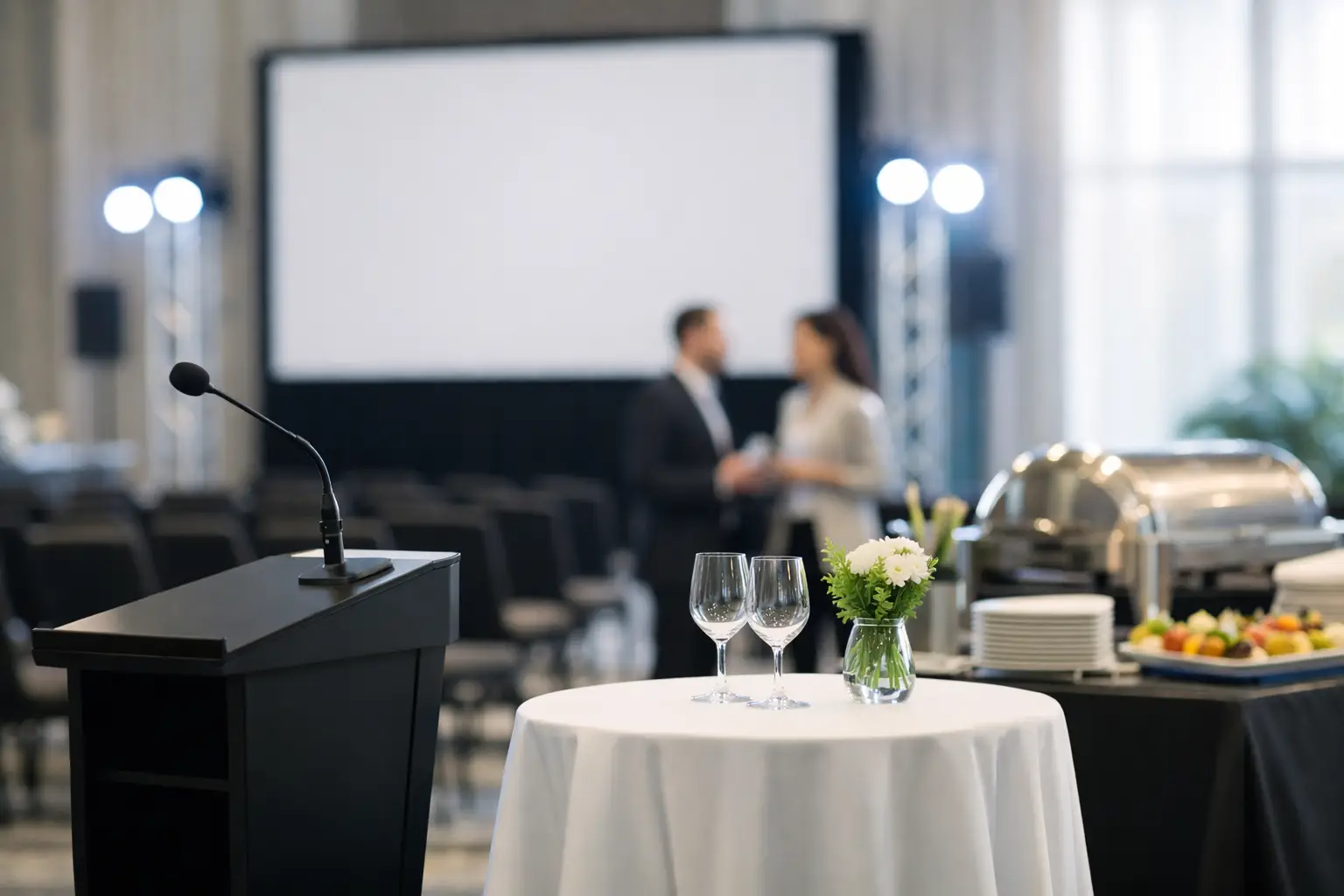
A corporate event can look simple on the calendar and still require dozens of moving parts. A client presentation needs polished seating. A company lunch needs enough tables, serving equipment, and linens to keep the line moving. An outdoor team gathering in the Phoenix area may need shade, cooling, and a layout that gives guests a reason to stay. Corporate event rentals turn those details into a coordinated plan without asking your team to buy, transport, store, or clean event equipment.
For office managers, executive assistants, HR teams, and event professionals, the goal is not just to fill a room. It is to create an organized, comfortable setting that reflects well on the company and lets employees, guests, and clients focus on the occasion.
Corporate Event Rentals Start With the Event Purpose
The right rental order depends on what the event needs to accomplish. A training session, a networking reception, an employee appreciation lunch, and a formal awards dinner may all take place in the same venue, but each calls for a different guest experience.
Start with the purpose before choosing inventory. If the event is built around presentations, prioritize clear sightlines, comfortable seating, and tables that give guests room for notebooks, laptops, or beverages. For networking, create room for circulation and conversations rather than filling every square foot with seating. For a meal, consider how guests will be served, where food will be staged, and how staff or volunteers can move through the room without creating bottlenecks.
A simple headcount is essential, but it is only the beginning. Account for presenters, vendors, catering staff, registration personnel, and guests who may arrive with a colleague. Ordering for the exact RSVP number can leave a team short when attendance runs higher than expected. The better approach is to confirm the expected count, then discuss a practical cushion based on the event type and venue capacity.
Build a Layout Before You Reserve Equipment
Tables and chairs are functional items, but their placement shapes the entire event. A crowded room can make a well-planned program feel rushed. A layout with too much empty space can make attendance appear lighter than it is. Before reserving, identify the usable event area and map the zones your guests will need.
For a business meeting or seminar, that may include check-in, presentation space, audience seating, refreshments, and a quiet place for staff supplies. A company celebration may also need food service, a bar area, a photo backdrop, gift tables, or a stage. Keeping those uses separate gives the room a more intentional feel and prevents guests from standing in service lines near a speaker or registration table.
Table size matters as much as table quantity. Round tables encourage conversation at dinners and celebrations. Rectangular banquet tables are often a practical fit for classroom-style training, buffet service, registration, and vendor displays. Cocktail tables can give a reception energy while preserving open floor space. There is no single best setup – it depends on the agenda, guest count, venue dimensions, and how long attendees will be seated.
If you are working with an unfamiliar space, an on-site consultation can prevent avoidable surprises. Door widths, elevators, uneven outdoor areas, power access, loading rules, and venue timing all affect what can be delivered and how the setup should be handled.
Choose furnishings that support the company’s presentation
Corporate events do not need to feel overly formal to look professional. Clean, coordinated tables, chairs, and linens can make a conference room, office courtyard, warehouse, or rented venue feel ready for guests. The key is consistency. Select linens and furnishings that fit the event’s purpose and company style rather than combining pieces solely because they are available.
For client-facing events, polished presentation deserves extra attention. Neutral linens and orderly seating can support a refined atmosphere without competing with branded materials or décor. For employee events, you may have more room to use color or a casual setup. Either way, equipment should arrive clean, maintained, and ready to use. Guests notice the condition of chairs and linens even when they do not mention it aloud.
Plan Food Service Around Timing and Flow
Food is often where an otherwise smooth corporate event gets delayed. Consider whether the meal will be plated, buffet-style, boxed, or served as appetizers. Each option changes the equipment and space required.
A buffet line needs enough serving equipment to keep food at proper temperatures, plus tables that allow guests to approach and exit without backing into the seating area. A coffee station needs its own surface and space for cups, condiments, and waste. For a catered lunch, confirm who is providing serving pieces and who is responsible for the tables, linens, and support equipment.
Do not overlook the less visible pieces. Extra tables may be needed for catering prep, beverage stations, dessert displays, awards, or event materials. These surfaces keep essential items off guest tables and help the event look prepared from the moment attendees arrive.
Outdoor events need a comfort plan
In Chandler, Mesa, Gilbert, Scottsdale, Phoenix, and nearby communities, outdoor corporate gatherings can be memorable, but comfort must be planned deliberately. Arizona heat can change guest behavior quickly. If attendees are uncomfortable, they may leave early, avoid networking, or spend the event searching for shade.
Consider the time of day, direct sun, expected temperature, wind, and the event’s duration. Cooling and HVAC rental options can be especially valuable for enclosed tents, temporary workspaces, or venues where existing climate control is not enough. Seating arrangements should also leave adequate walkways and avoid placing guests where afternoon sun will be most intense.
Outdoor events involve trade-offs. An open layout may feel inviting, but it can expose guests to heat. A more enclosed arrangement may offer better temperature control, but it requires careful planning for airflow and equipment placement. A rental partner can help match the equipment plan to the conditions instead of treating outdoor furniture as an afterthought.
Delivery and Setup Are Part of the Event Plan
The best equipment order can still create stress if it arrives at the wrong time or requires your staff to move heavy items minutes before guests arrive. Delivery timing, access instructions, and setup responsibilities should be confirmed well before the event date.
Ask when the equipment will arrive, where the delivery team should enter, whether the venue has restrictions, and who will be present to answer questions. For events with a detailed floor plan, optional on-site setup can save significant time and reduce the risk of last-minute layout changes. It also lets the people responsible for hosting focus on signage, speakers, catering, and guest arrivals.
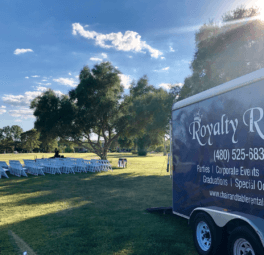
At Royalty Rentals, equipment is cleaned and sanitized after every use, delivered before the event date, and available with setup based on your instructions. That support is especially useful when an office team is managing an event alongside its regular workload.
Reserve Early, Then Confirm the Details
Popular dates, larger orders, and seasonal business events can affect availability. Reserving early gives you more choices and more time to make thoughtful decisions about layout, linens, catering support, and climate control. It also makes budget conversations easier because you can see the full equipment picture before other event costs are finalized.
As the date approaches, review the order against the latest guest count and venue plan. Confirm delivery contact information, access times, setup instructions, and pickup expectations. If the schedule has changed, address it early. Small adjustments are far easier to manage before trucks are loaded and venue access windows are set.
A well-supported event does not need to feel complicated. Start with the guest experience you want to create, choose equipment that serves the agenda, and give logistics the same attention as the program. When the room is comfortable, the service area is organized, and every table is in place before the first guest walks in, your team has the space to make the event feel like it belongs to your company.