
Event Tips
Best Buffet Serving Equipment for Any Event
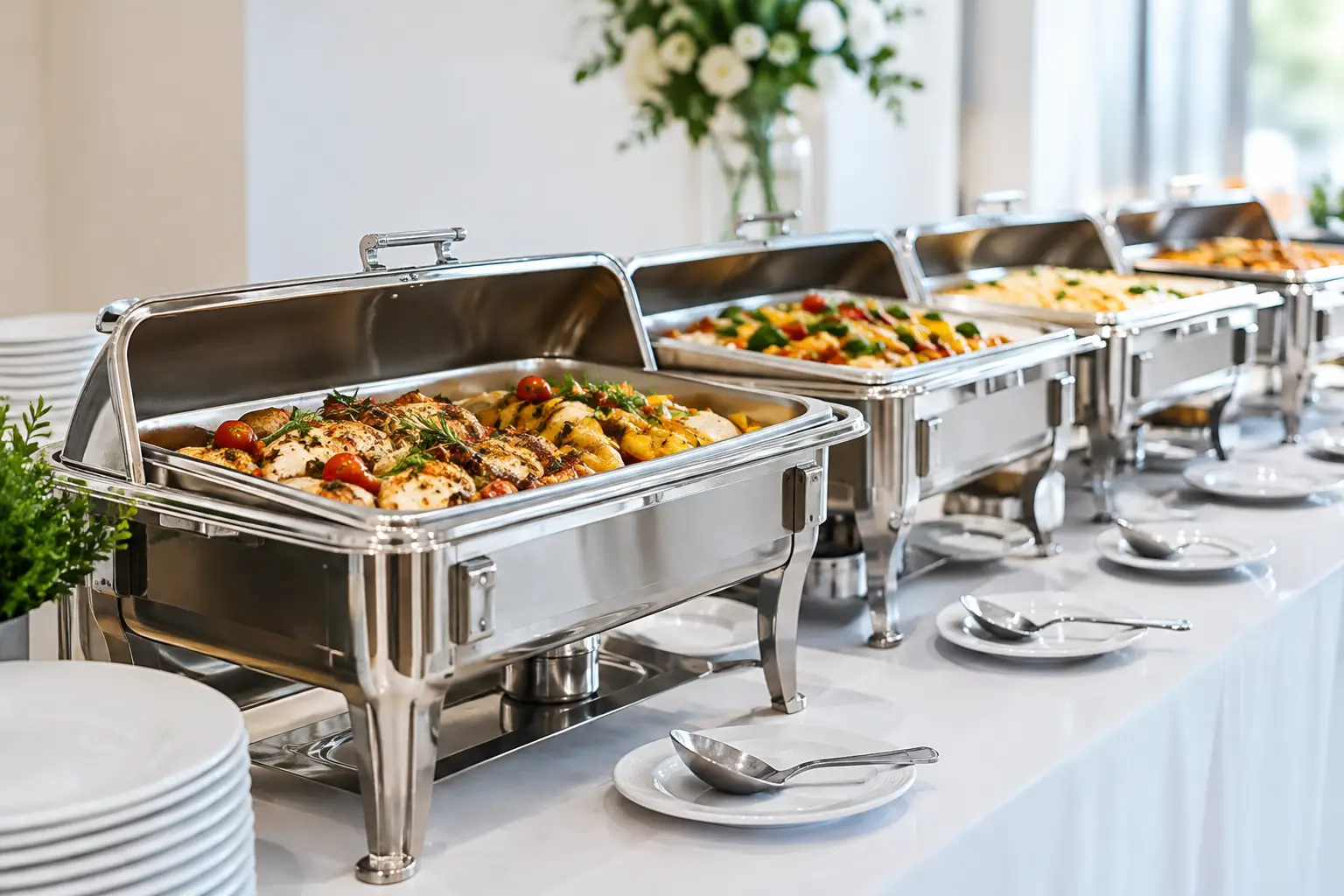
A buffet can look fully prepared from across the room, then fall apart the moment guests reach it: entrée pans cool too quickly, serving utensils disappear, plates create a traffic jam, and a beautiful table suddenly feels disorganized. The best buffet serving equipment prevents those problems before the first guest arrives. It keeps food at the right temperature, guides people through the meal naturally, and gives your setup the polished appearance your occasion deserves.
For a Chandler backyard celebration, a Scottsdale wedding, or a Phoenix-area corporate lunch, the right equipment depends on more than guest count. Consider the menu, service length, venue layout, weather, and whether staff will be available to maintain the buffet. A thoughtful rental plan lets you create a welcoming meal service without buying, transporting, washing, or storing catering pieces you may use only once.
Best Buffet Serving Equipment Starts With the Menu
Your menu should determine the equipment, not the other way around. A hot buffet built around chicken, pasta, roasted vegetables, and rice needs dependable heat retention and enough pan capacity for refills. A chilled brunch spread needs bowls, platters, beverage dispensers, and ice-supported serving options. A dessert table calls for height, visual variety, and clean, easy-to-reach presentation.
Start by separating menu items into hot, cold, self-serve, and attended categories. Hot entrées and sides usually need chafing dishes, fuel, water pans, food pans, and serving utensils. Cold foods may need insulated bowls, trays over ice, or service that keeps them out for shorter intervals. Items such as carved meats, made-to-order tacos, or specialty desserts can benefit from an attended station, which reduces guest handling and maintains presentation.
Do not use one oversized chafing dish simply because it holds more food. For a smaller group or a menu with several selections, multiple smaller chafers often look better and make replenishment easier. For a larger event, full-size units may reduce the number of service points your team has to manage. The right choice is the one that matches how much food will be served at a time.
Essential Buffet Serving Equipment for a Smooth Line
A functional buffet has a few non-negotiables. The exact mix changes by event, but these pieces solve the most common service challenges:
- Chafing dishes for hot entrées, sides, and sauces that need consistent warmth.
- Food pans, water pans, and fuel holders sized to fit the chafers correctly.
- Serving spoons, tongs, ladles, and forks selected for each dish rather than shared across the table.
- Dinnerware, flatware, napkins, and glassware or beverage cups for the expected number of guests.
- Buffet tables and linens that provide adequate room for dishes, labels, and replenishment.
- Risers, serving trays, bowls, and platters that add organization and visual height.
- Beverage dispensers, ice tubs, or drink stations placed away from the main food line.
The small pieces matter. A ladle that is too shallow makes serving soup frustrating. Tongs are better than a spoon for rolls or salad. A dedicated utensil for each dish supports cleaner service and helps guests move faster. Plan extra utensils for popular items, especially if children or a busy lunch crowd are expected.
Choose Chafing Dishes for Food Quality, Not Just Appearance
Chafing dishes are central to most hot buffets, but they are not all used the same way. A full-size chafer works well for high-volume entrées, while half-size chafers give you flexibility for side dishes or smaller portions. The goal is to keep food warm without overcooking it or creating a dry surface layer.
Fuel-heated chafers are practical for many weddings, family events, and catered functions because they can be placed where electrical access is limited. They require attentive setup, stable placement, and safe handling around open heat. Electric warmers can be a better fit when power is available and a longer service window calls for steady, adjustable heat.
Food safety should guide every decision. Hot foods should be maintained at safe holding temperatures, and cold foods should stay properly chilled. Ask your caterer how often food will be refreshed and who is responsible for monitoring temperatures. Equipment supports safe service, but it cannot replace a clear food-handling plan.
Design the Buffet Line Around Guest Flow
The most attractive buffet table still creates stress if guests do not know where to begin. Set the line in the order people naturally need items: plates first, followed by main dishes, sides, bread or condiments, and flatware and napkins near the end. Drinks should usually be at a separate station so guests are not waiting behind someone filling a glass of tea.
For events with more than about 75 guests, one line may not be enough. Consider serving the same menu from both sides of a table, creating two identical buffet lines, or separating the salad and dessert stations from the entrée service. This is especially useful for corporate events with a limited lunch break or weddings where you want guests back at their tables quickly.
Leave room around the buffet for people to pass without bumping into the table or blocking servers. If the event is outdoors, select a stable location away from direct foot traffic and, when possible, away from strong sun or wind. In the Phoenix area, shade and access to climate control can make a major difference in guest comfort and food quality.
Give Every Dish Enough Space
Crowding pans edge to edge may fit more on the table, but it makes the buffet look rushed and complicates serving. Allow space for utensils, labels, and safe access to lids. Use risers thoughtfully to create levels, not obstacles. Guests should be able to see what is available and serve themselves without reaching over hot equipment.
Labeling is a simple professional touch. Clear labels help guests identify vegetarian, vegan, gluten-conscious, spicy, nut-containing, or kid-friendly options. They also reduce unnecessary handling of lids and utensils while helping everyone feel considered.
Match the Equipment to the Event Style
Practical equipment can still support the atmosphere you want to create. Stainless steel chafing dishes and crisp linens suit formal weddings and business functions. Wood-toned displays, serving boards, and varied-height platters can warm up a rustic or garden-inspired celebration. For casual birthdays and graduation parties, a clean, coordinated table with dependable serving pieces often matters more than elaborate décor.
Linens do a great deal of visual work. Choose colors that complement the venue, floral palette, or company branding, while keeping the surface easy to maintain throughout service. A floor-length linen can conceal extra pans or backup supplies below the table, but make sure staff can access those items safely when needed.
It also helps to separate decorative pieces from active serving space. A floral arrangement or sign can frame the buffet, but it should not crowd utensils, block labels, or create a hazard near heat sources. The best presentation feels intentional without asking guests to navigate around it.
Plan for Setup, Refills, and Cleanup
Buffet equipment works best when someone owns the setup plan. Confirm table sizes, linen dimensions, electrical access if applicable, fuel requirements, delivery timing, and the location of the service area before event day. If your caterer is providing food, ask whether they will supply pans, utensils, fuel, and staff, or whether those items need to be included in your rental order.
Build a refill strategy into the design. Keep backup food and clean utensils close enough for staff to access, but out of guest view. For a self-hosted party, appoint one person to check the buffet periodically for low food, misplaced utensils, spills, and empty beverage containers. This small assignment protects the experience for everyone else.
Renting can simplify the details considerably. Royalty Rentals can provide clean, sanitized catering equipment, tables, linens, and delivery support so your serving area arrives ready to be arranged according to your event plan. When you reserve, share your guest count, menu, venue details, and timing so the equipment selection supports the way you intend to serve.
A well-planned buffet does more than feed a room. It gives guests an easy, comfortable moment to connect, choose what they enjoy, and return to the celebration feeling cared for.